Advertisements
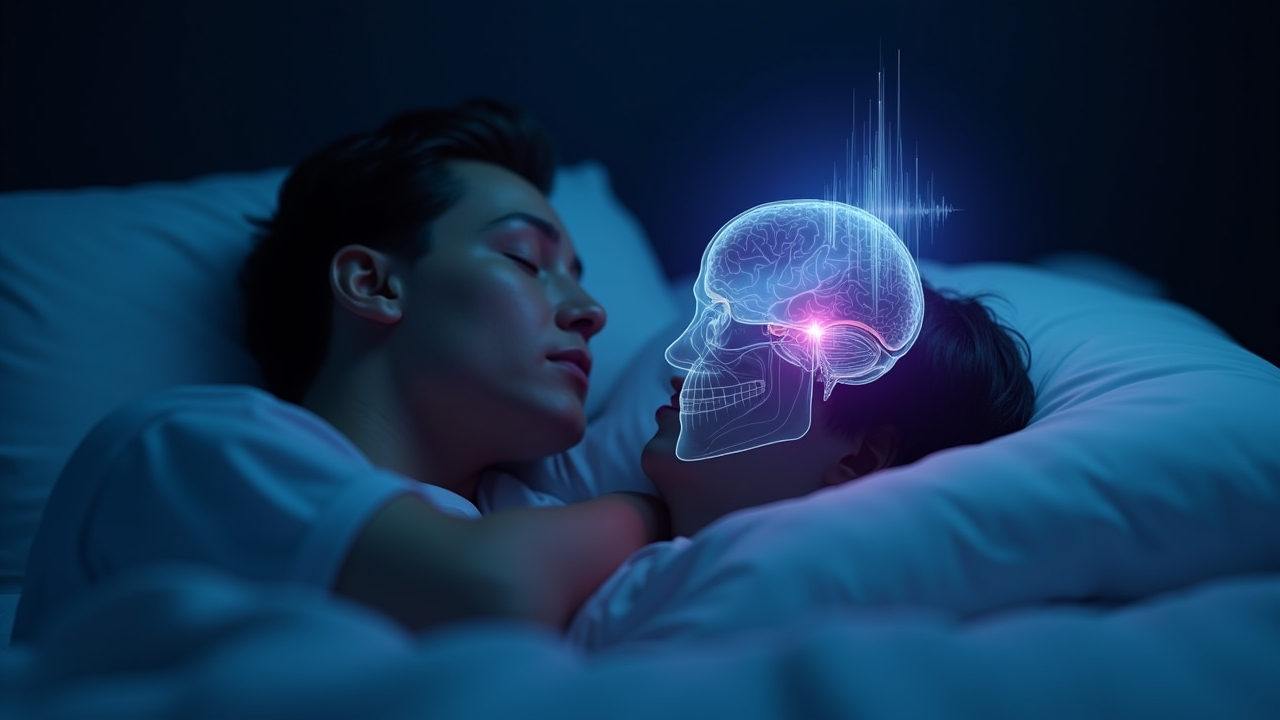
Sleep Architecture Stages Explained: What’s Actually Happening When You Close Your Eyes
Here’s a wild stat that blew my mind — we spend roughly one-third of our entire lives sleeping. One-third! And for the longest time, I honestly thought sleep was just… nothing. Like your brain hits a power button and you’re offline for eight hours. Turns out, I was so wrong it’s almost embarrassing.
Understanding sleep architecture changed how I approach bedtime, and honestly, it fixed a lot of the grogginess I used to drag around every morning. So let me walk you through what’s really going on during those mysterious hours.
What Even Is Sleep Architecture?
Sleep architecture is basically the blueprint of your sleep. It’s the structural organization of the different sleep stages your brain cycles through each night, and it was first mapped out using tools like polysomnography. Think of it like a building — there’s a foundation, floors, and a roof, and each part serves a different purpose.
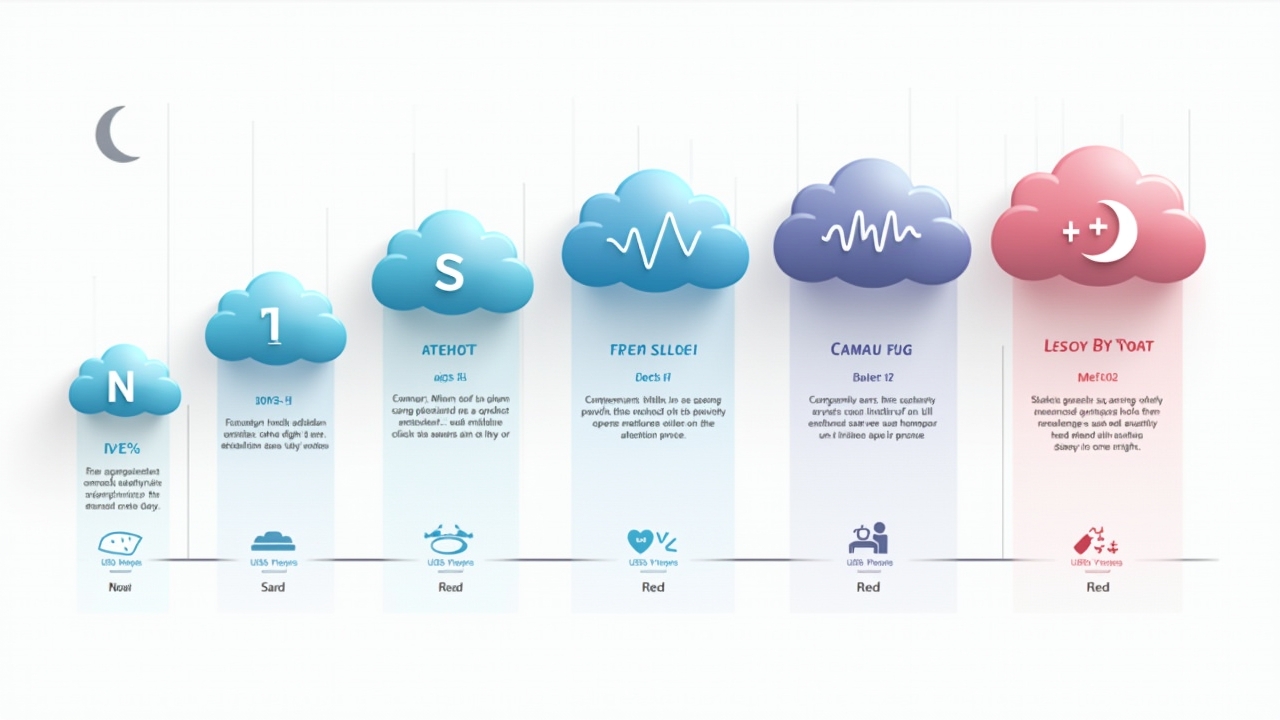
A typical night involves 4 to 6 sleep cycles, each lasting about 90 minutes. Within every cycle, your brain moves through distinct stages, and each one does something completely different for your body and mind. When I first learned this, I started treating my sleep schedule with way more respect.
Advertisements
Stage 1: The Drowsy Doorway (NREM 1)
This is that floaty feeling when you’re drifting off. Your muscles start relaxing, your heart rate slows down, and your brain produces these slow theta waves. It only lasts about five to ten minutes.
I used to get so frustrated because I’d jolt awake during this stage — you know, that falling sensation? That’s called a hypnic jerk, and it’s totally normal. The thing is, stage 1 light sleep is super fragile. A dog barking or even a slight temperature change can yank you right back to full consciousness.
Stage 2: Where the Real Sleep Begins (NREM 2)
Now we’re getting somewhere. Stage 2 is where you spend about half your total sleep time, and your brain starts producing sleep spindles and K-complexes. These aren’t just fancy terms — they’re actually bursts of neural activity that help with memory consolidation and keeping you from waking up at every little noise.
Your body temperature drops and your heart rate decreases even more. I never realized how important room temperature was until I started keeping my bedroom around 65°F. Game changer, honestly.
Stage 3: Deep Sleep, the MVP (NREM 3)
Okay, this is the good stuff. Stage 3 is your deep sleep or slow-wave sleep, and it’s where your body does most of its physical restoration. We’re talking tissue repair, immune system strengthening, and growth hormone release.
For years, I was waking up feeling wrecked even after “enough” hours in bed. Turns out my deep sleep was getting wrecked by late-night screen time and alcohol — both of which are notorious deep sleep killers. Once I cut the nightcap habit, the difference was honestly night and day. No pun intended.
Kids get way more deep sleep than adults, by the way. That’s partly why they can sleep through literally anything. As we age, our slow-wave sleep naturally decreases, which is kind of a bummer but also something we can partially counteract with good sleep hygiene.
REM Sleep: Dream Central
Here’s where things get wild. During REM sleep, your brain is almost as active as when you’re awake. Your eyes dart around under your eyelids, your breathing gets irregular, and your body essentially paralyzes itself so you don’t act out your dreams. It’s called REM atonia, and it’s actually a protective mechanism.
REM is critical for emotional processing, creativity, and learning. I noticed that when I was sleep-deprived during grad school, it wasn’t just my energy that tanked — my ability to problem-solve just vanished. That’s because REM deprivation messes with your cognitive function something fierce.
Each cycle through the night has progressively longer REM periods. So that last chunk of sleep before your alarm? It’s packed with REM. Cutting your sleep short by even 30 minutes can rob you of a significant amount of dream sleep.
Your Sleep, Your Rules
Look, everyone’s sleep architecture is a little different. Age, stress, medications, and even genetics play a role. The key takeaway is that every stage matters — skimping on any one of them has real consequences for your health.
Start paying attention to how you feel when you wake up, not just how many hours you logged. Small tweaks like consistent bedtimes, cooler rooms, and limiting caffeine after noon can dramatically improve your sleep quality. If you want more practical health tips like this, head over to Biorise Health and explore what else we’ve been writing about — your future well-rested self will thank you!